Retailer Dealership
This is what a dealer asks for a vehicle that’s been reconditioned. The asking price has a margin of profit built in it and it’s the most this vehicle is worth. A subset of retail value, is certified pre-owned value, this is usually when a vehicle is retailed with an extended warranty bundled-in.
When buying a retail vehicle , the consumer will pay sales tax and administrative fees (doc fee). The doc fee prvovides additional profit to the dealer.
Retailer dealership for $50,000.

Wholesale Dealership
The price a vehicle commands when sold by an individual or an independent used car dealer. The value is less than the retail value since the vehicle has not been reconditioned. The advantage of buying a vehicle from a private seller is the fact that you don’t have to pay sales tax or fdoc fees.
A private party sale is inherently AS-IS, there are no warranties or guarantees. If buying from used car dealer, you can possibly purchase a service agreement and finance, but you will have to pay sales tax.
Wholesale dealership for $10,000.
Shipper's insurance
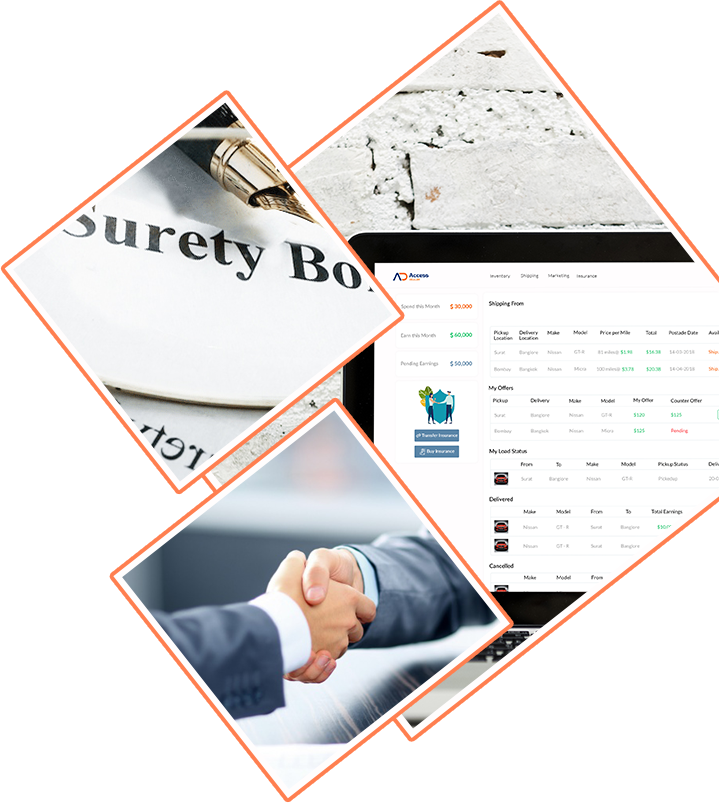
In order to issue a freight broker license, the FMCSA requires all freight brokers and freight forwarders to file either a surety bond (BMC-84) or a trust fund agreement (BMC-85).
This requirement exists to ensure that licensed freight brokers and forwarders are held to certain standards as well as to prevent fraud or failure to pay motor carriers or shippers in a timely manner.
If freight brokers or forwarders fail to comply with any terms of the surety bond, parties that suffer damages as a result may file a claim against the bond. If the claim is determined to be valid, the surety company will pay to settle the claim up to the full amount of the bond— $75,000.
Once the claim has been resolved, it is the responsibility of the license holder to reimburse the surety the equivalent amount of money.
Shipper’s Insurance for $75,000.